

Best Sellers


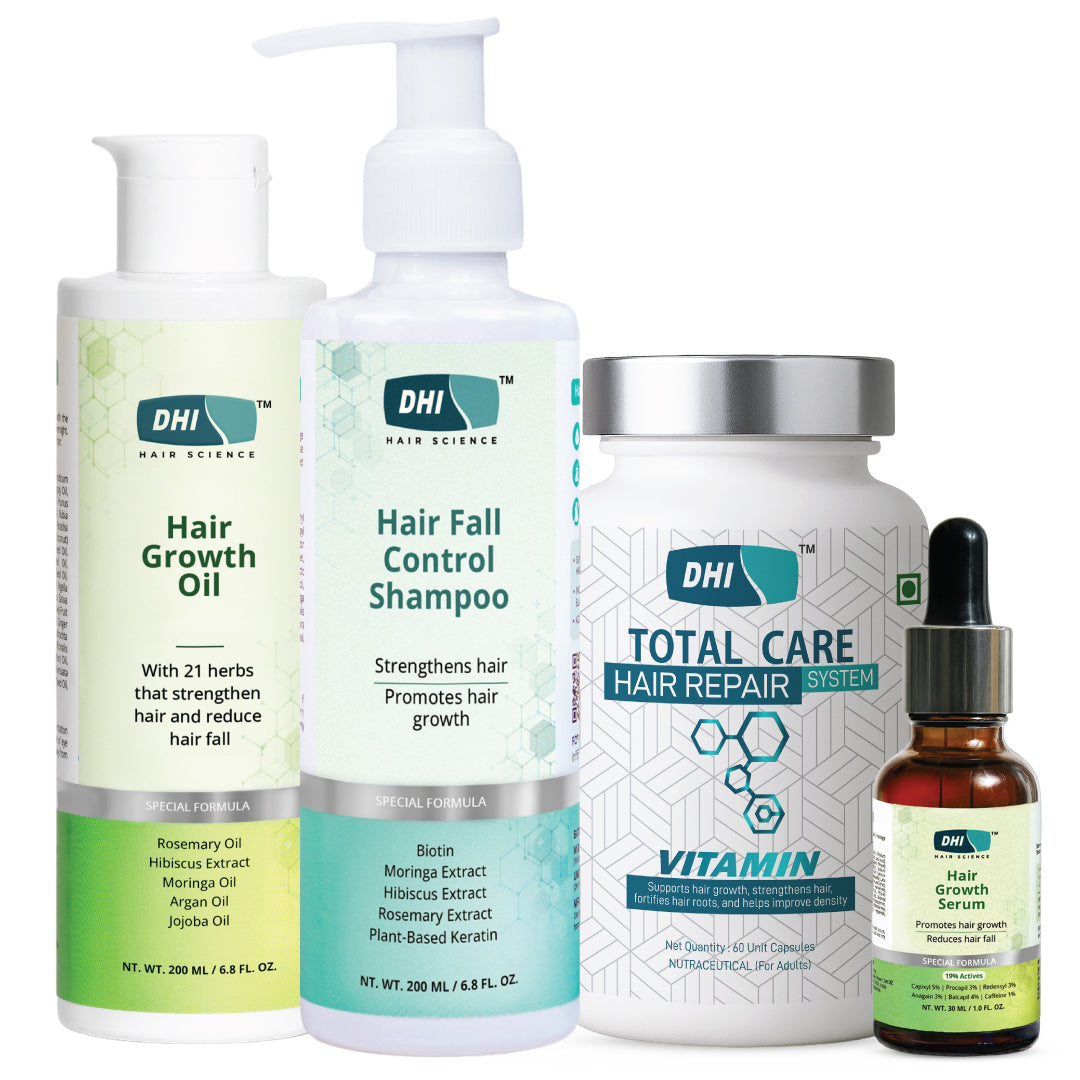
Hair Growth Serum with 19% Active Blend | 5% Capixyl, 3% ...
Stimulates Hair Growth | Revives Dormant Follicles | Incr...

Multivitamin Capsules with Biotin & Ayurvedic Herbs | 60 ...
Rejuvenates Hair | Enhances Scalp Vitality | Promotes Hai...
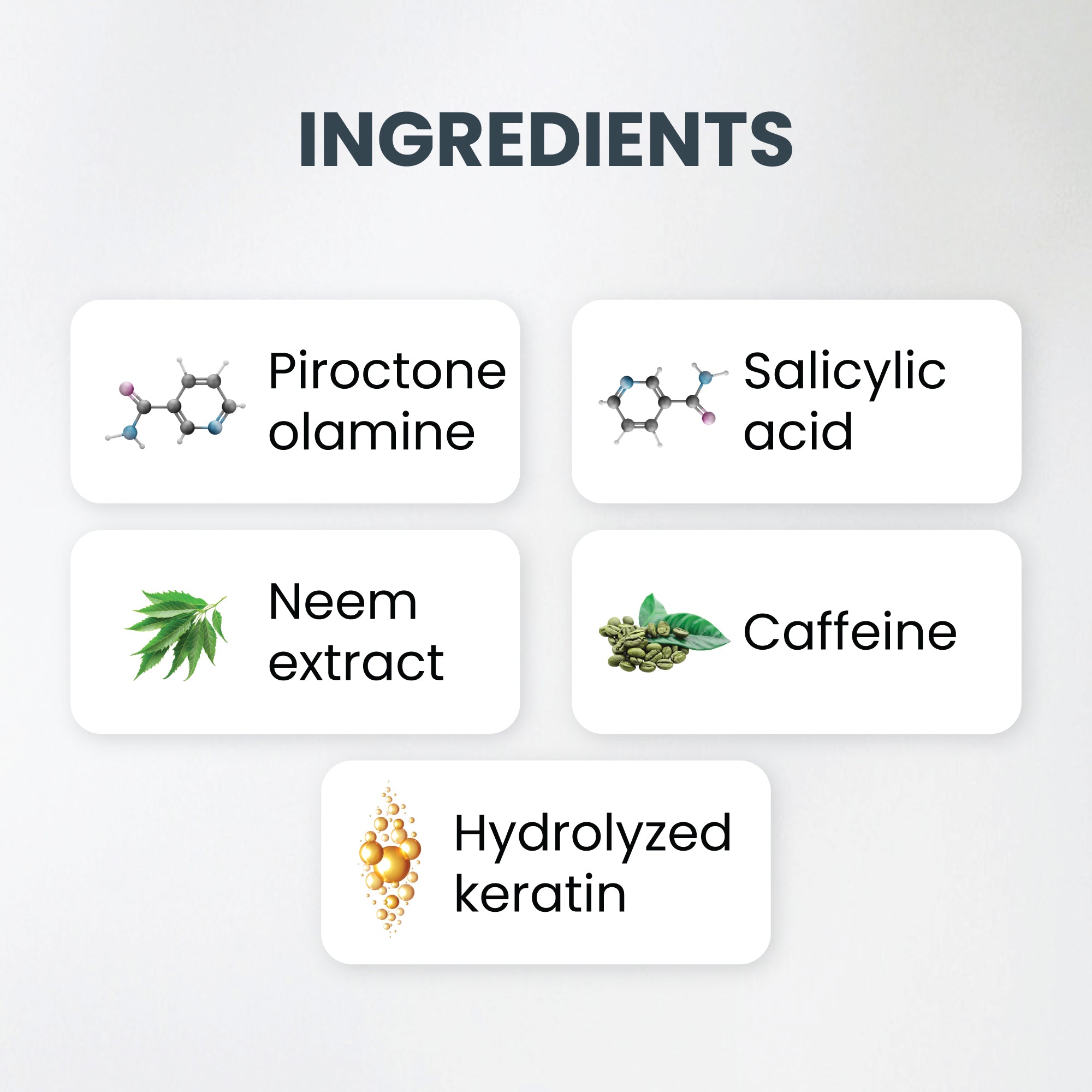
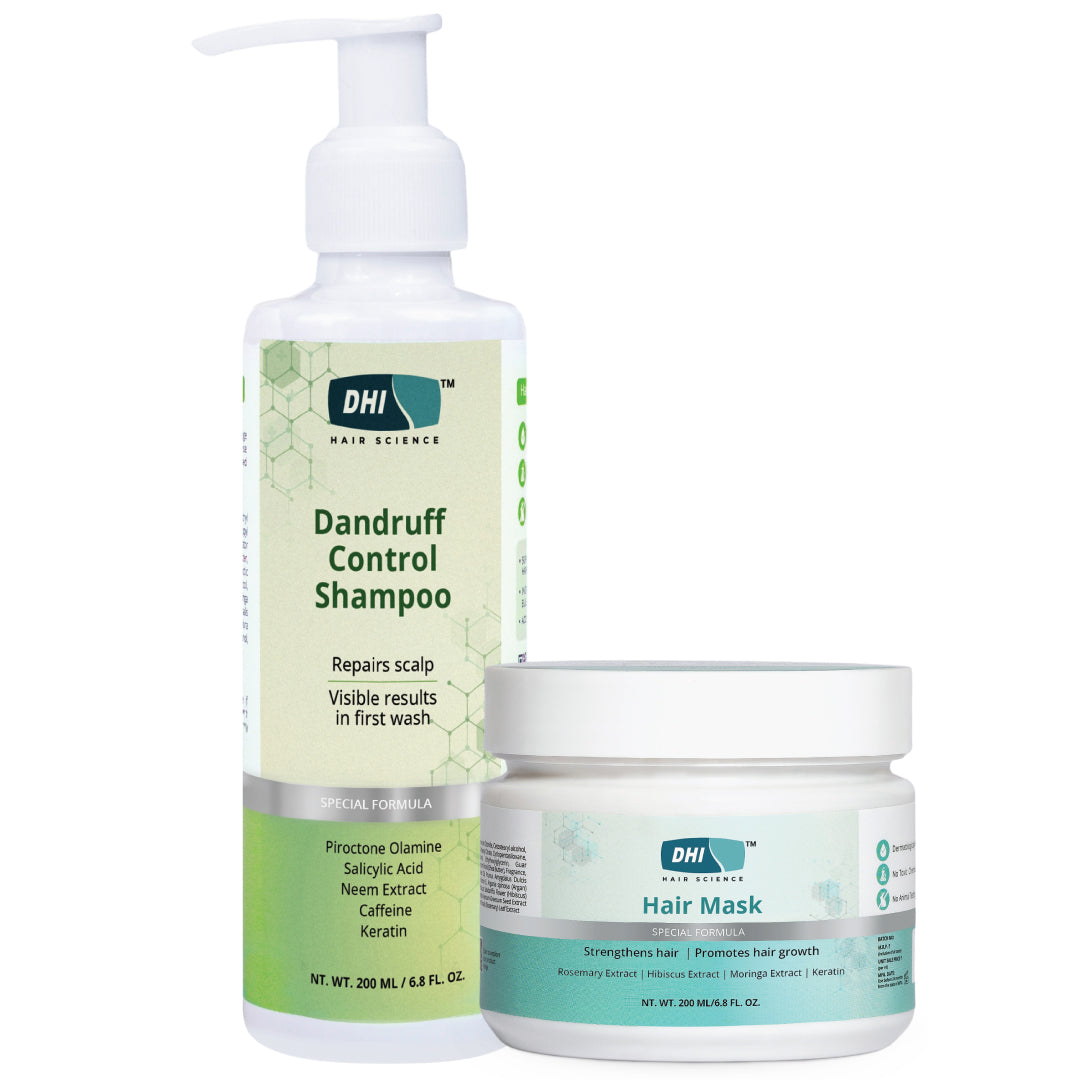
Dandruff Control Shampoo with Piroctone Olamine, Salicyli...
Remove Dandruff & Flakes | Soothes Itchy Scalp | Visible ...

Hair Loss Control Shampoo with Plant based Biotin, Moring...
Strengthens Hair Roots | Nourishes Scalp Naturally | Prom...
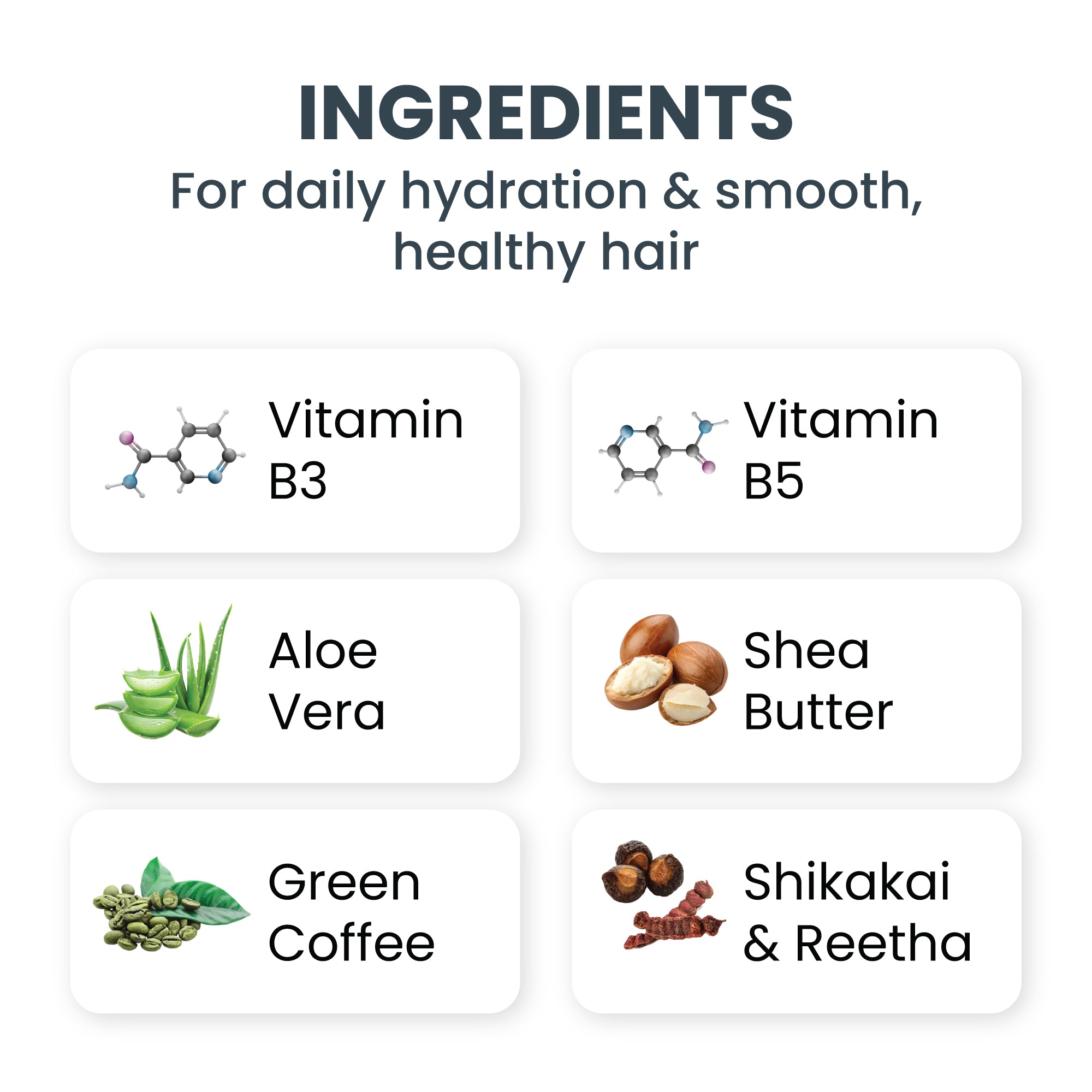
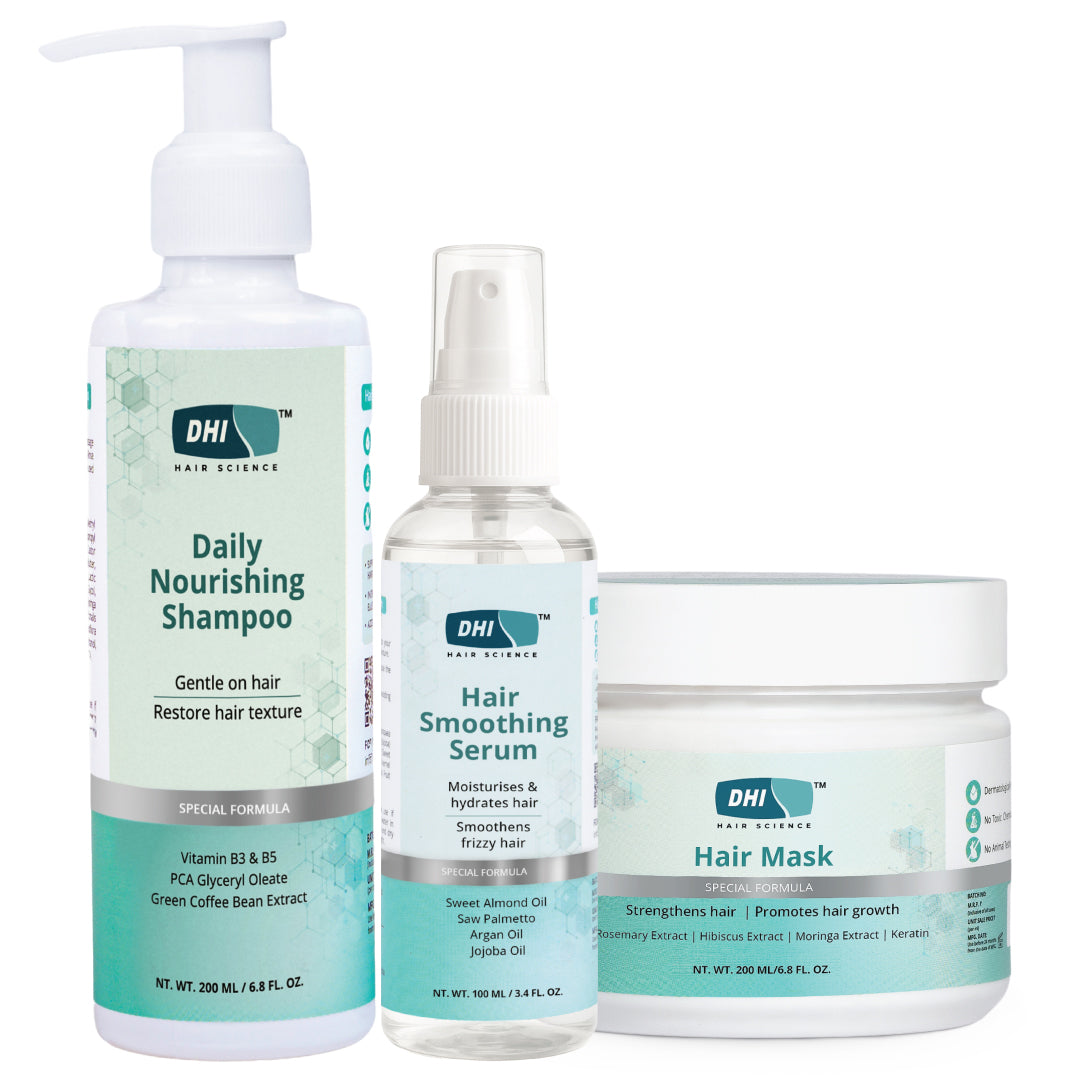
Daily Nourishing Shampoo with Vitamin B3, B5 & Green Coff...
Gently Cleanses Scalp | Nourishes Hair from Root to Tip |...

DHT Blocker with Stinging Nettle Extract | Pumpkin Seed E...
Blocks DHT Naturally | Helps Prevent Hair Loss | Supports...

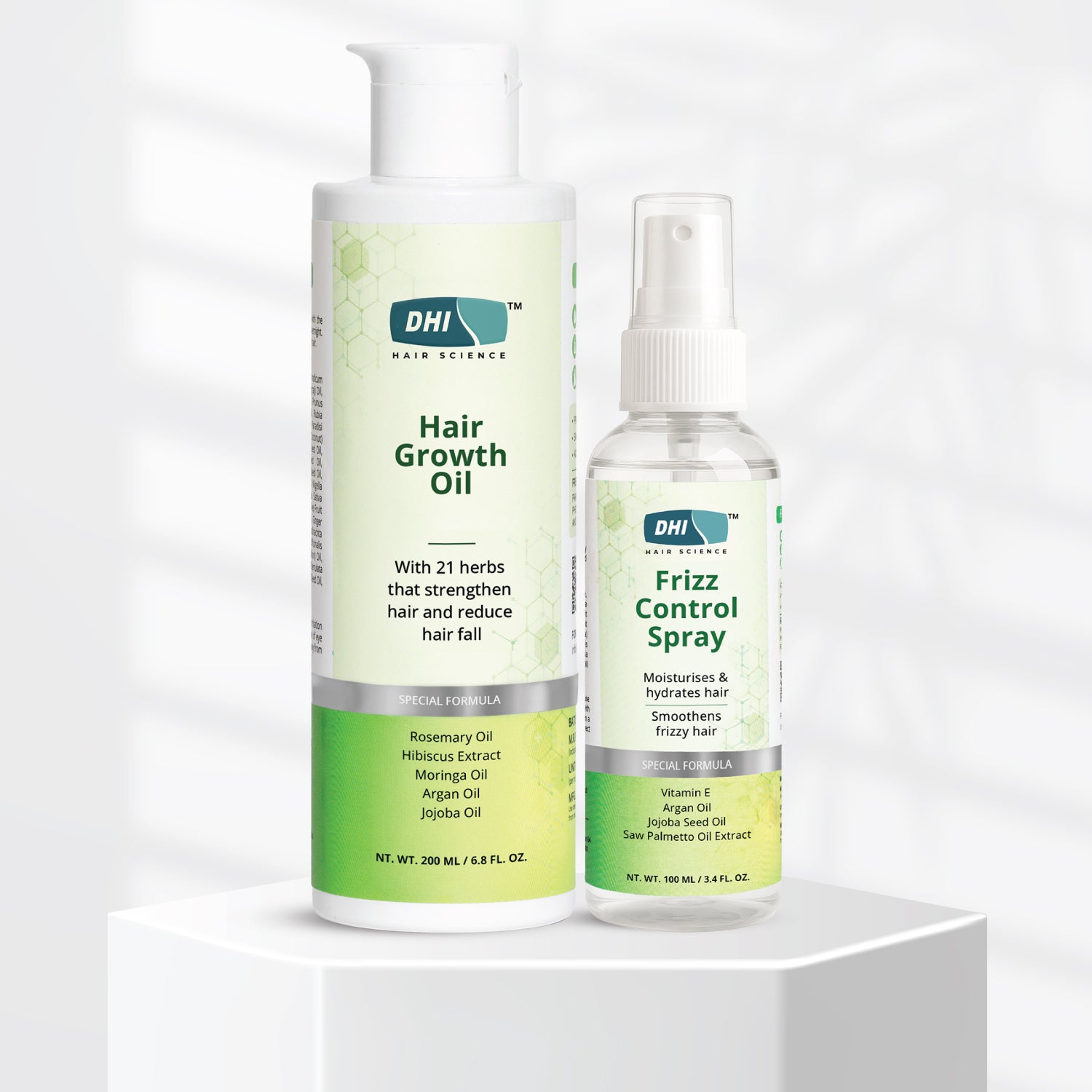
Hair Growth Oil with 21 Herbs, included Rosemary, Hibiscu...
Boosts Hair Growth | Strengthens Hair Roots | Reduces Hai...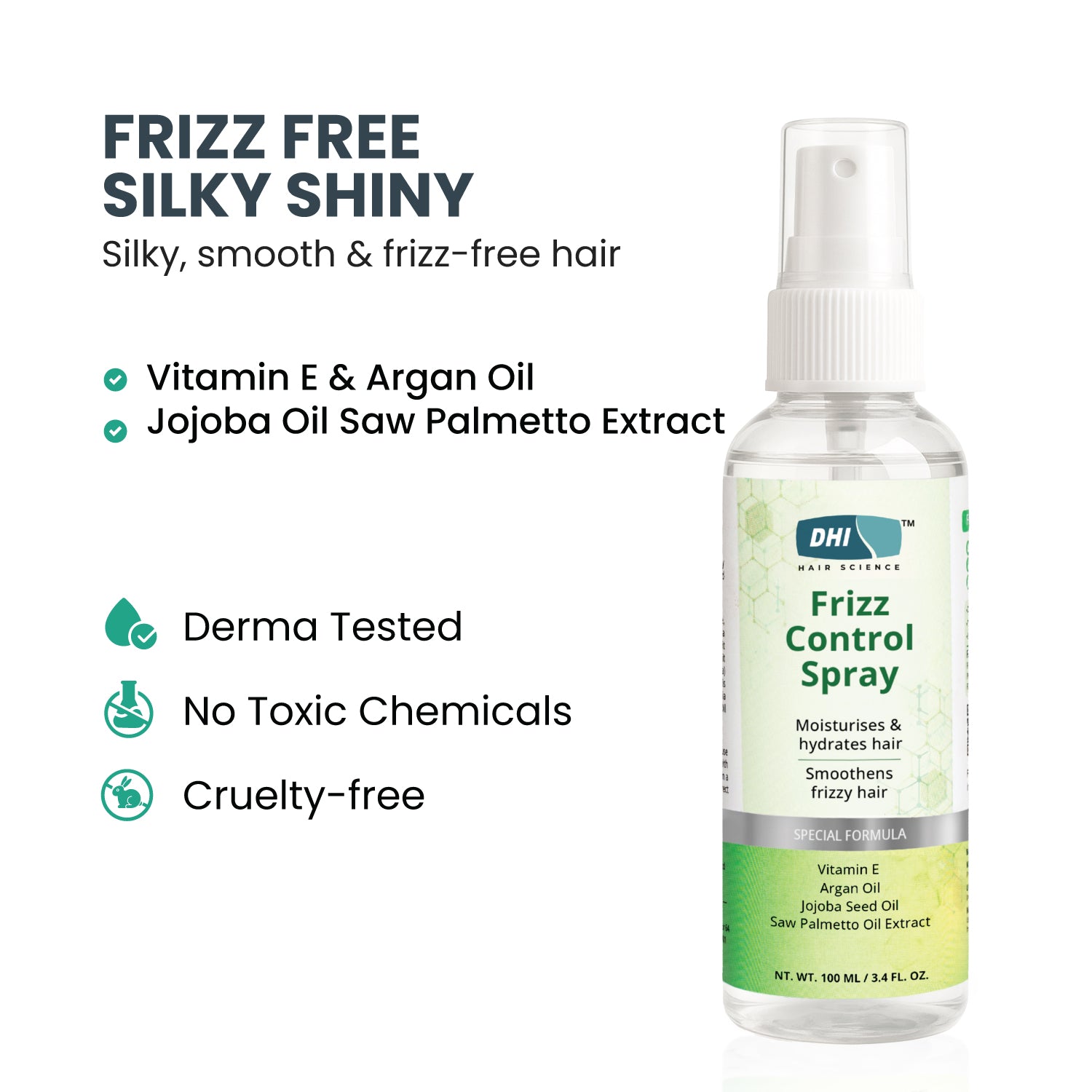
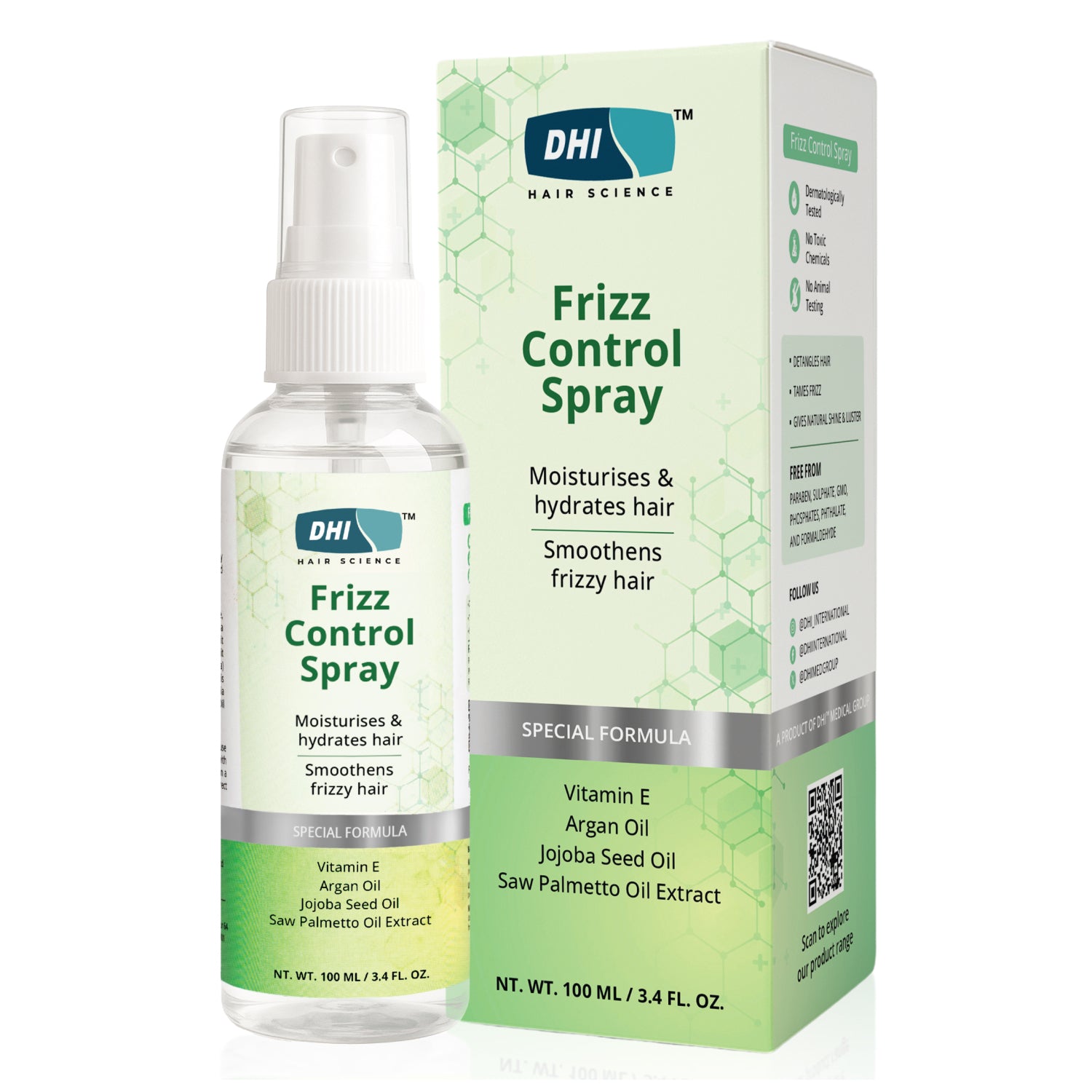
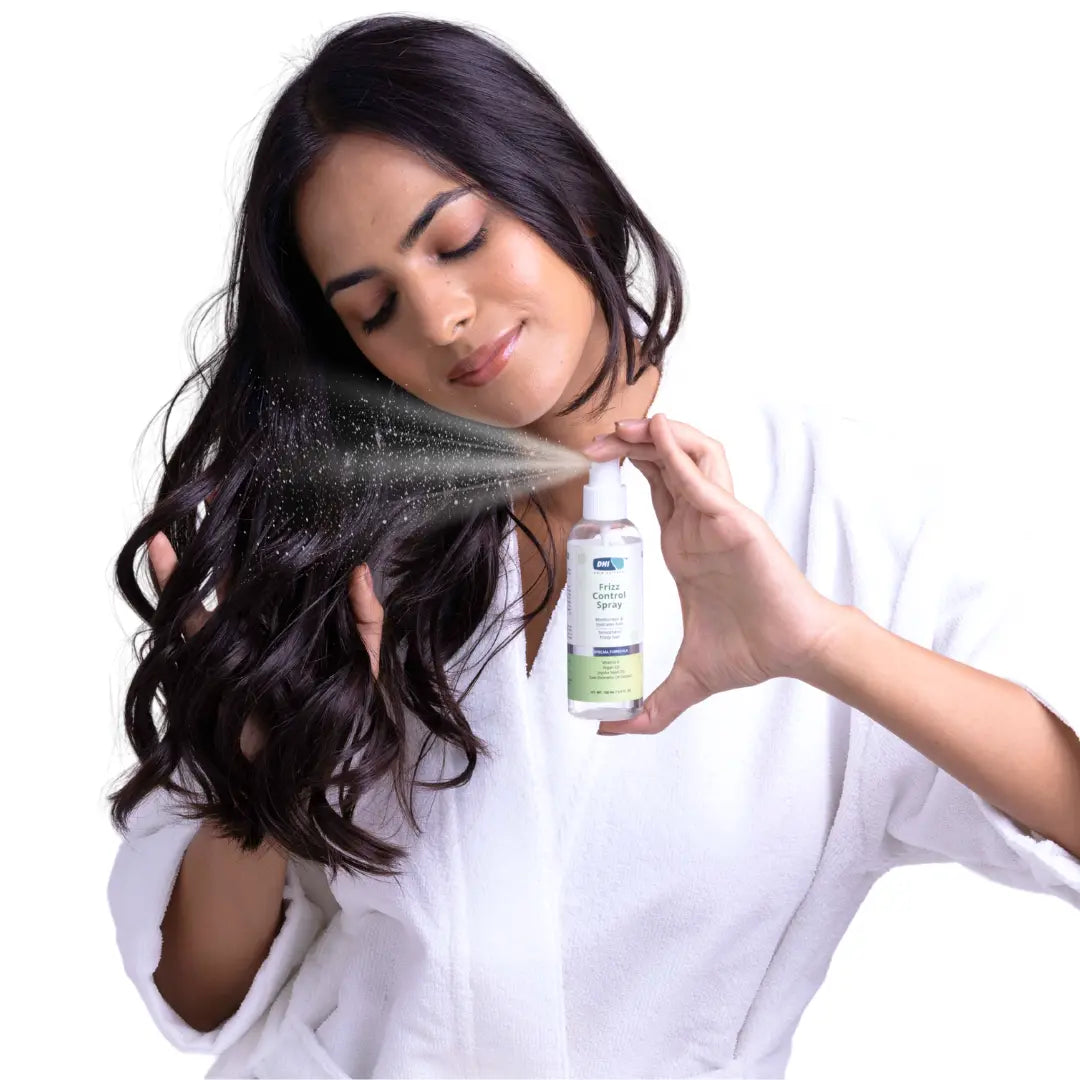
Frizz Control Spray with Argan & Saw Palmetto | 100 ml
Tames Frizz Instantly | Smoothens Dry & Rough Hair | Ligh...

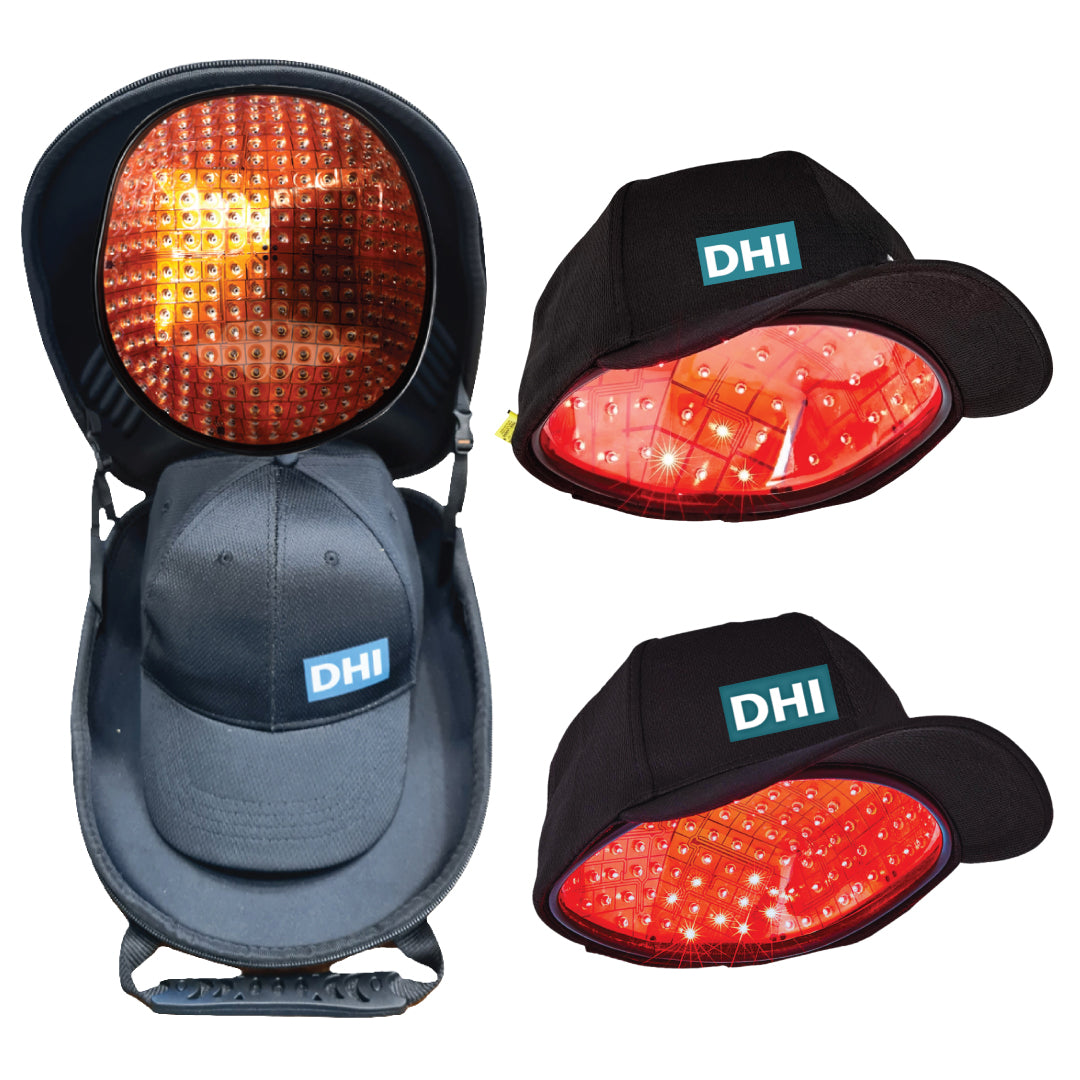
Laser Cap with 108 Laser Diodes | US FDA Approved Treatme...
Stimulates Hair Growth | Reactivates Dormant Follicles | ...

Laser Cap with 94 Laser Diodes | US FDA Approved Treatmen...
Stimulates Hair Growth | Reactivates Dormant Follicles | ...

Laser Cap with 272 Laser Diodes | US FDA Approved Treatme...
Large Coverage Area |Stimulates Hair Growth | Reactivates...

DHI Laser Cap Power Bank 10000 mAh
Daily Nourishing Shampoo with Vitamin B3, B5 & Green Coff...
Gently Cleanses Scalp | Nourishes Hair from Root to Tip |...
Dandruff Control Shampoo with Piroctone Olamine, Salicyli...
Remove Dandruff & Flakes | Soothes Itchy Scalp | Visible ...
Hair Loss Control Shampoo with Plant based Biotin, Moring...
Strengthens Hair Roots | Nourishes Scalp Naturally | Prom...
Multivitamin Capsules with Biotin & Ayurvedic Herbs | 60 ...
Rejuvenates Hair | Enhances Scalp Vitality | Promotes Hai...
DHT Blocker with Stinging Nettle Extract | Pumpkin Seed E...
Blocks DHT Naturally | Helps Prevent Hair Loss | Supports...
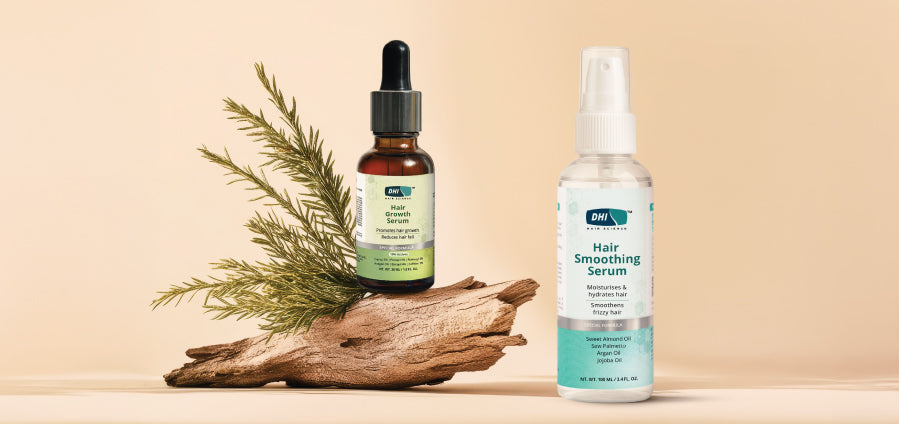
Hair Growth Serum with 19% Active Blend | 5% Capixyl, 3% ...
Stimulates Hair Growth | Revives Dormant Follicles | Incr...
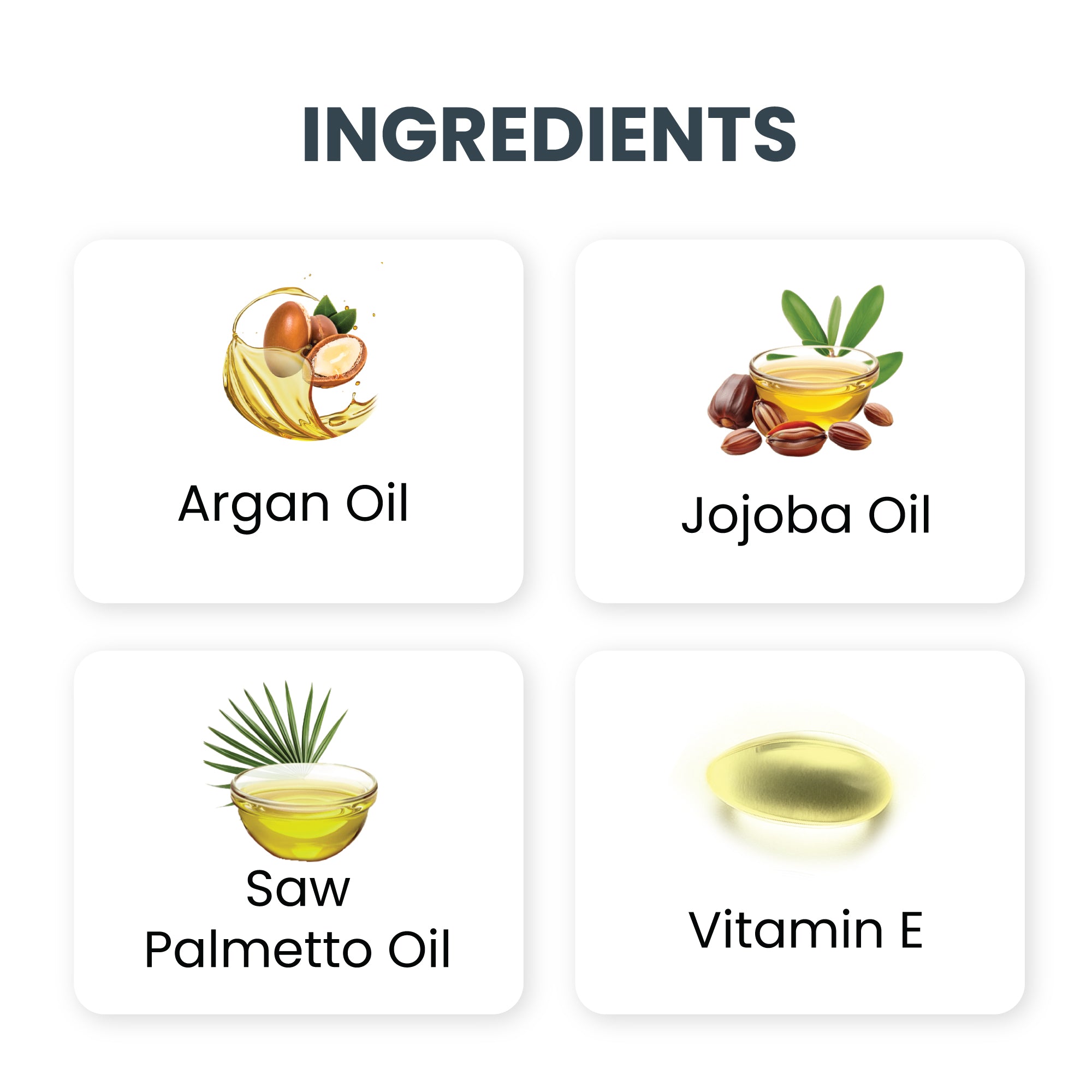
Hair Smoothing Serum with Argan, Sweet Almond, & Jojoba O...
Smoothens Rough Hair | Long Lasting Shine | Lightweight &...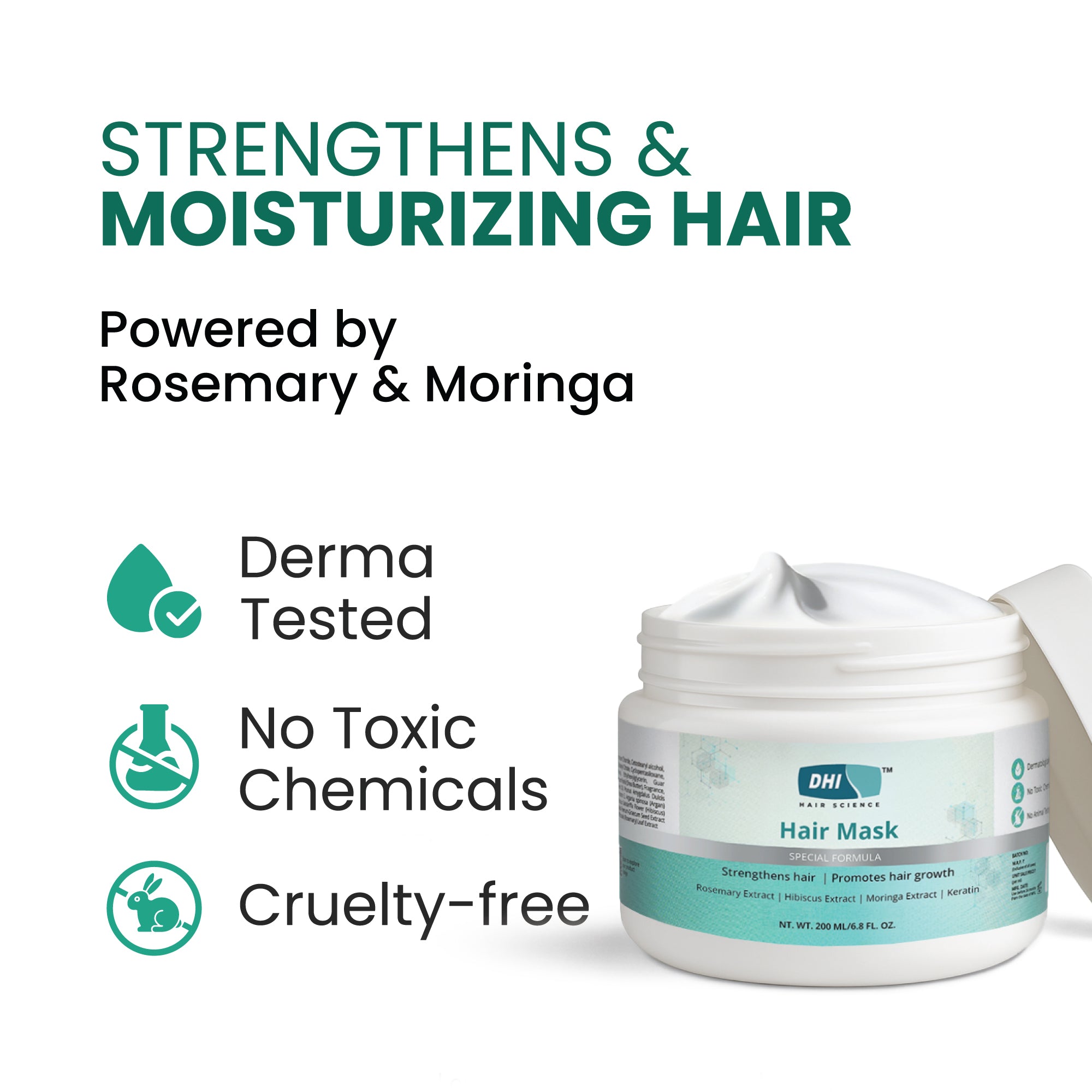
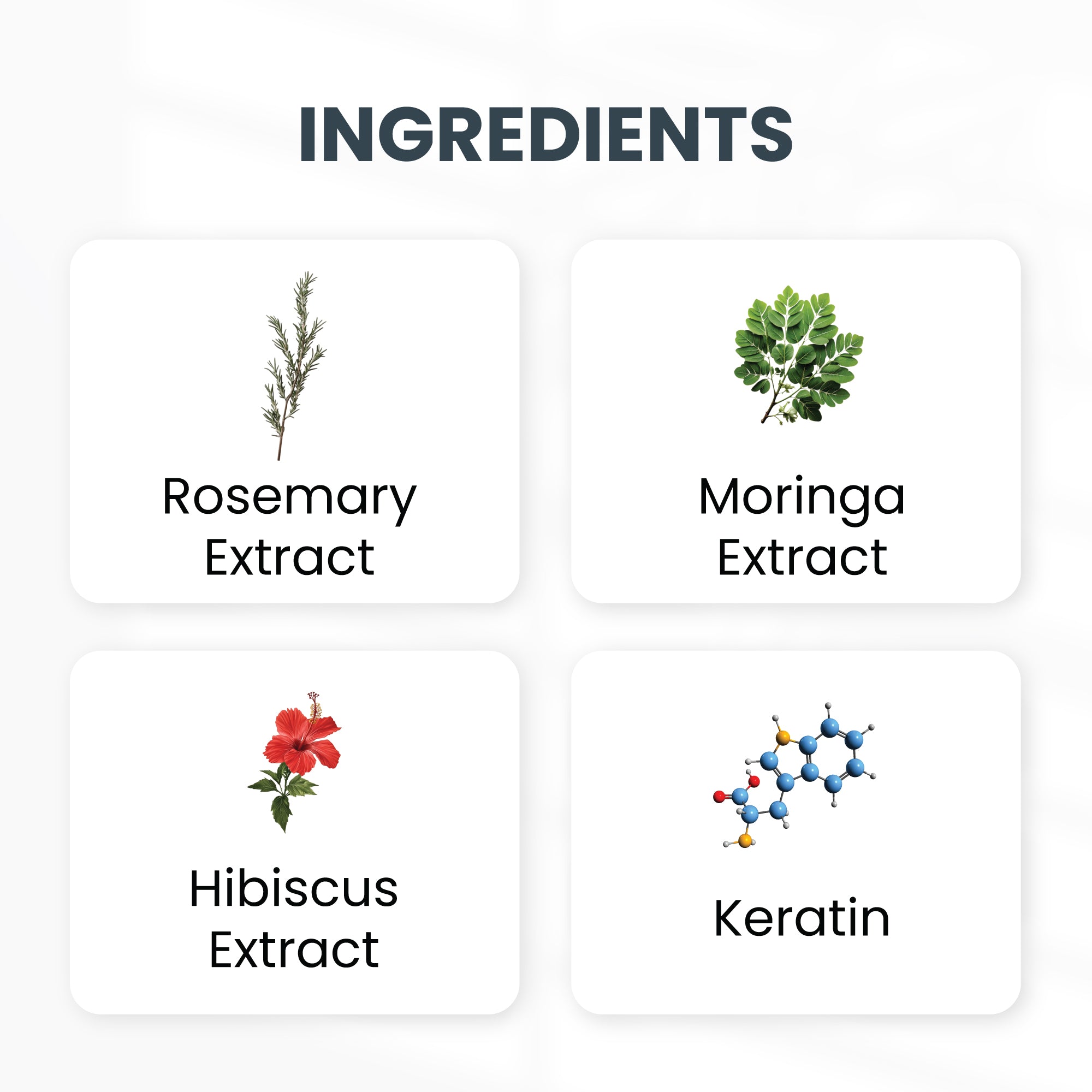
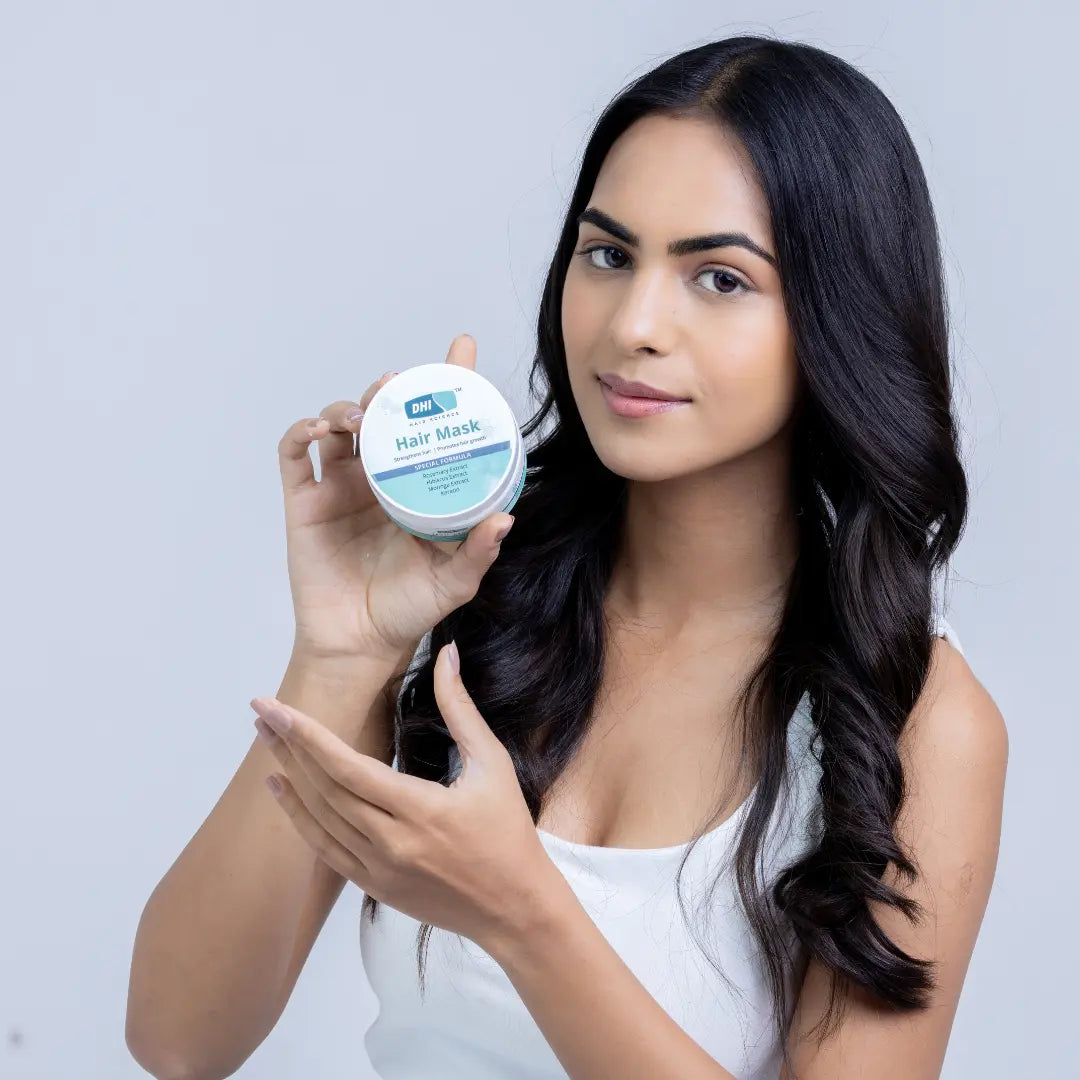
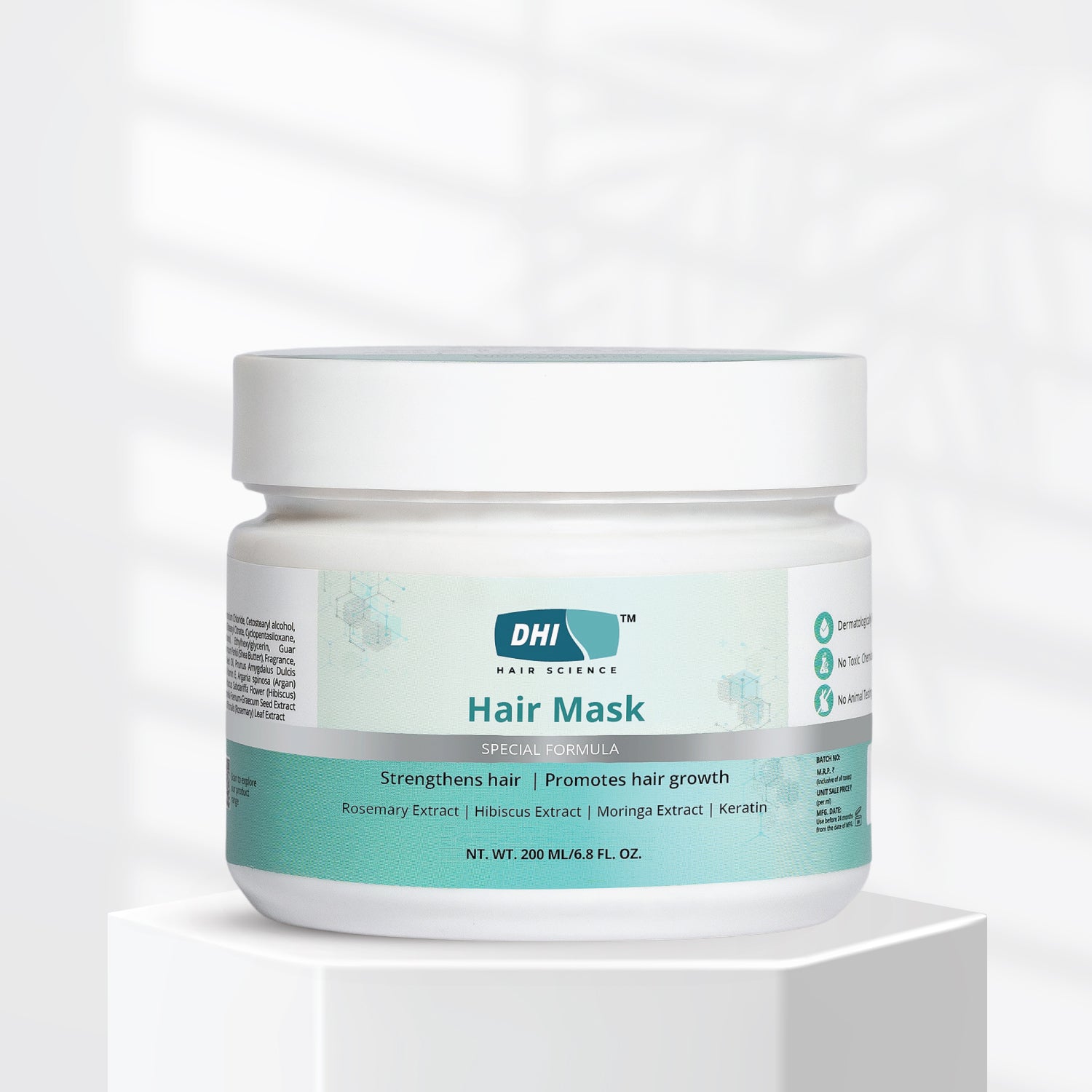
Hair Mask with Moringa, Keratin, Hibiscus & Rosemary | 20...
Deeply Conditions Hair | Repairs Damage & Split Ends | So...
Hair Growth Oil with 21 Herbs, included Rosemary, Hibiscu...
Boosts Hair Growth | Strengthens Hair Roots | Reduces Hai...
Frizz Control Spray with Argan & Saw Palmetto | 100 ml
Tames Frizz Instantly | Smoothens Dry & Rough Hair | Ligh...

SureThik Hair Thickening Fibers - Natural - For Thicker L...
Build Hair Density, Wind and Rain Resistant, Ideal for bo...
Hair Care
Hair Growth Serum with 19% Active Blend | 5% Capixyl, 3% ...
Stimulates Hair Growth | Revives Dormant Follicles | Incr...
Multivitamin Capsules with Biotin & Ayurvedic Herbs | 60 ...
Rejuvenates Hair | Enhances Scalp Vitality | Promotes Hai...
Dandruff Control Shampoo with Piroctone Olamine, Salicyli...
Remove Dandruff & Flakes | Soothes Itchy Scalp | Visible ...
Hair Loss Control Shampoo with Plant based Biotin, Moring...
Strengthens Hair Roots | Nourishes Scalp Naturally | Prom...
Daily Nourishing Shampoo with Vitamin B3, B5 & Green Coff...
Gently Cleanses Scalp | Nourishes Hair from Root to Tip |...
DHT Blocker with Stinging Nettle Extract | Pumpkin Seed E...
Blocks DHT Naturally | Helps Prevent Hair Loss | Supports...
Hair Growth Oil with 21 Herbs, included Rosemary, Hibiscu...
Boosts Hair Growth | Strengthens Hair Roots | Reduces Hai...
Frizz Control Spray with Argan & Saw Palmetto | 100 ml
Tames Frizz Instantly | Smoothens Dry & Rough Hair | Ligh...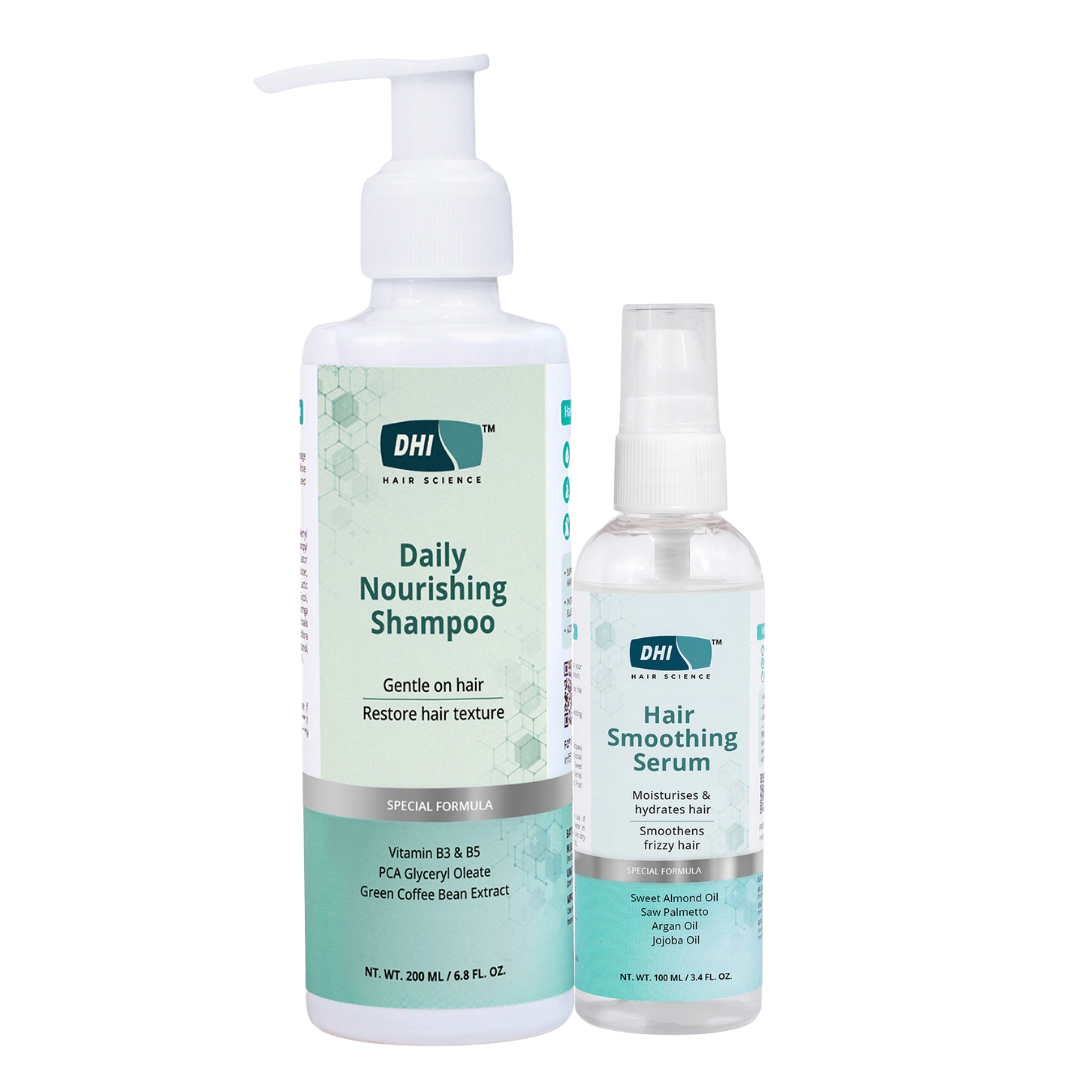
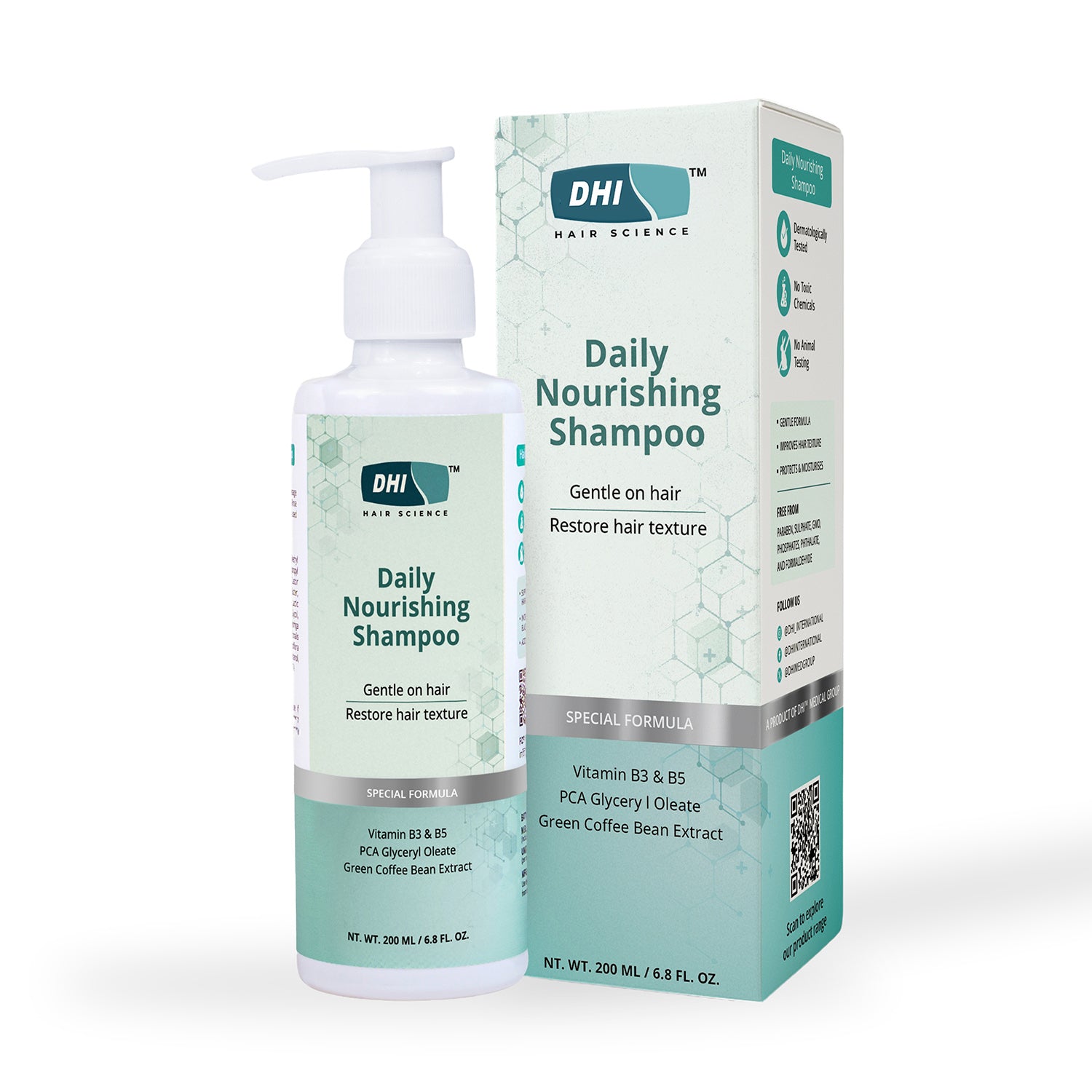
Super Shine Duo with Daily Nourishing Shampoo Enriched wi...
Boosts hair growth | Reduces hair thinning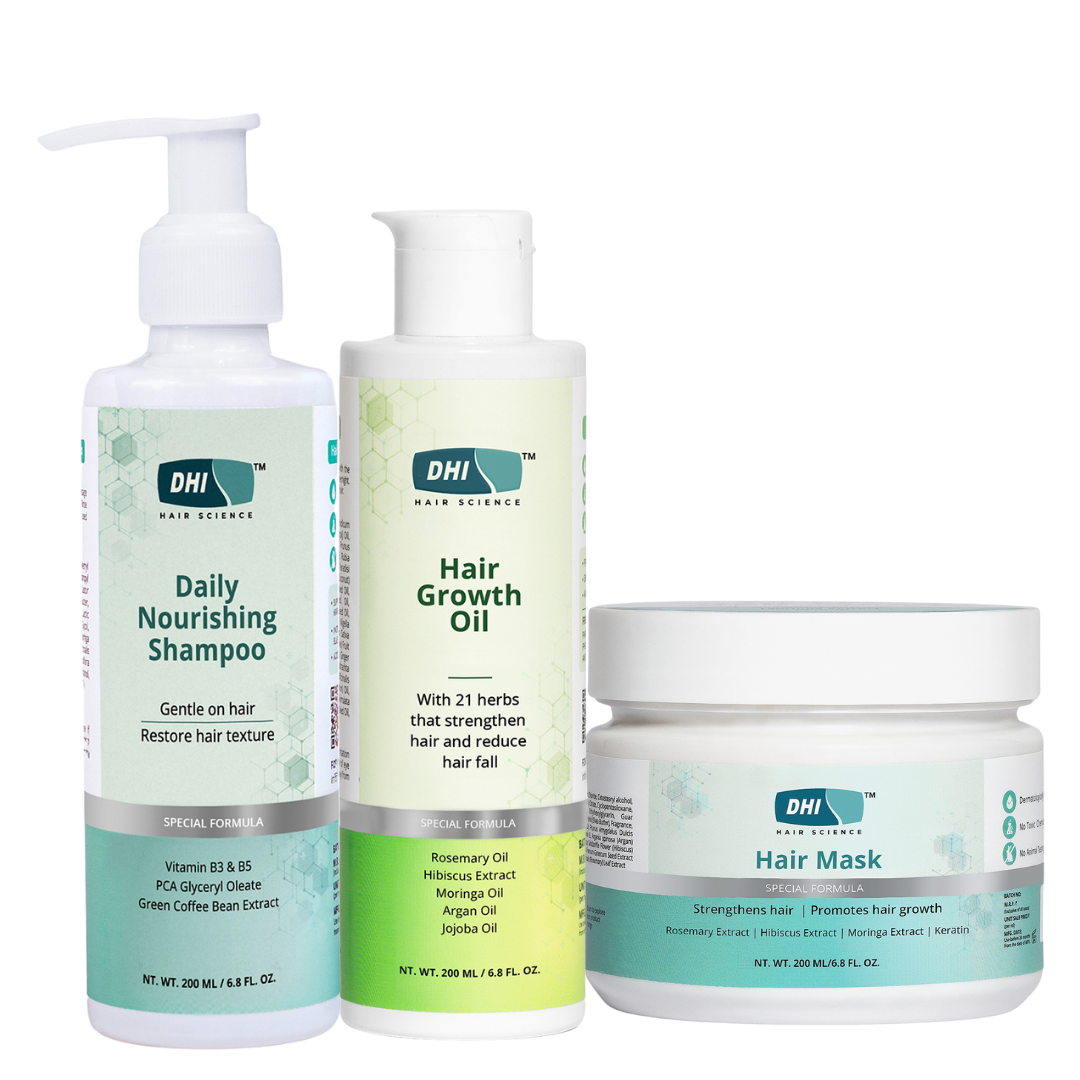
Daily Use (Hair Growth Oil 200ml + Daily Nourishing Shamp...
Boosts hair growth | Reduces hair thinning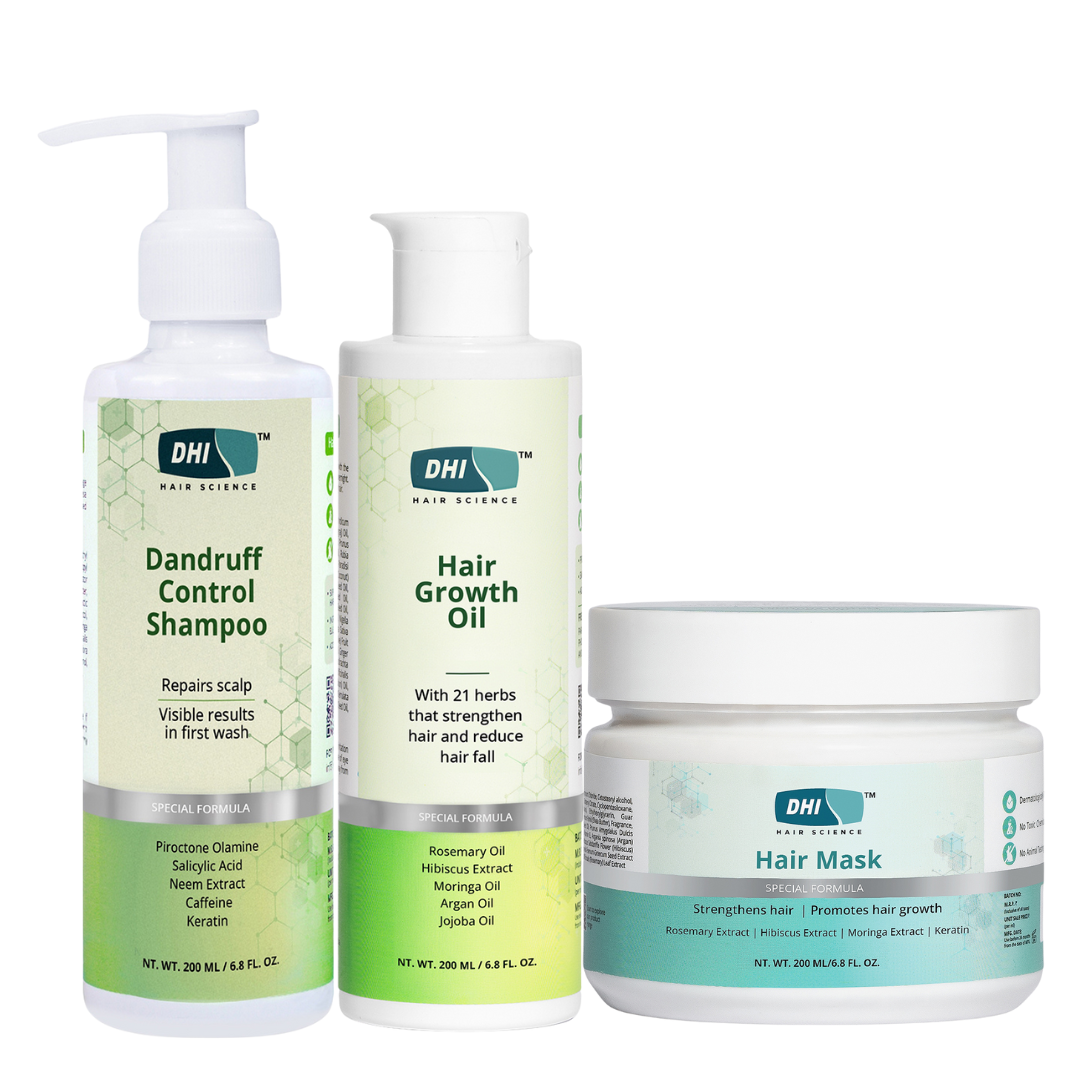
Dandruff control (Hair Growth Oil 200ml + Dandruff Contro...
Boosts hair growth | Reduces hair thinning

Hair Loss Treatment (Hair Growth Serum 30ml + Hair Fall C...
Boosts hair growth | Reduces hair thinning

DHI HAIR VITAMIN- 60 Capsules | DHT BLOCKER- 60 Capsules ...
Boosts hair growth | Reduces hair thinning

Revive Hair Care Bundle with Hair Fall Control Shampoo an...
Boosts hair growth | Reduces hair thinning

Hair Growth Kit |DHI Laser Cap with 108 Laser Diodes | Ha...
Boosts hair growth | Reduces hair thinning

DHI Laser Cap with 272 Laser Diodes | US FDA Approved Tre...
Boosts hair growth | Reduces hair thinning
Daily Nourishing Shampoo with Vitamin B3, B5 & Green Coff...
Gently Cleanses Scalp | Nourishes Hair from Root to Tip |...
Hair Smoothing Serum with Argan, Sweet Almond, & Jojoba O...
Smoothens Rough Hair | Long Lasting Shine | Lightweight &...
Hair Mask with Moringa, Keratin, Hibiscus & Rosemary | 20...
Deeply Conditions Hair | Repairs Damage & Split Ends | So...
Hair Care Range
At DHI Hair Science, we believe in uncompromising quality. Our products are crafted using the finest traceable ingredients, carefully sourced from trusted manufacturers and farms. Proudly made in India at ISO 9001 and GMP-certified facilities, every product meets the highest standards of safety and purity. For your complete peace of mind, all our formulations are dermatologically tested, toxin-free, and 100% cruelty-free.

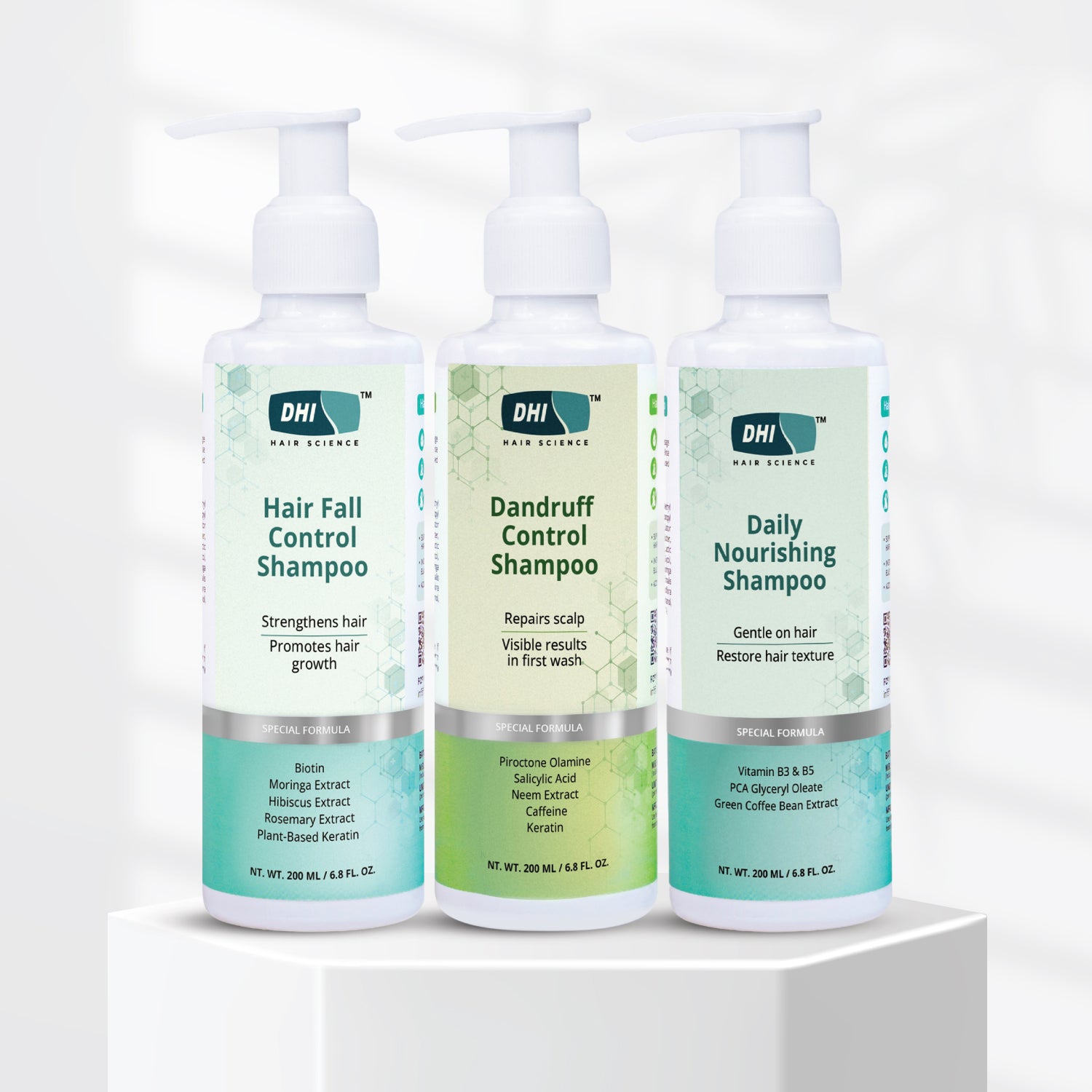
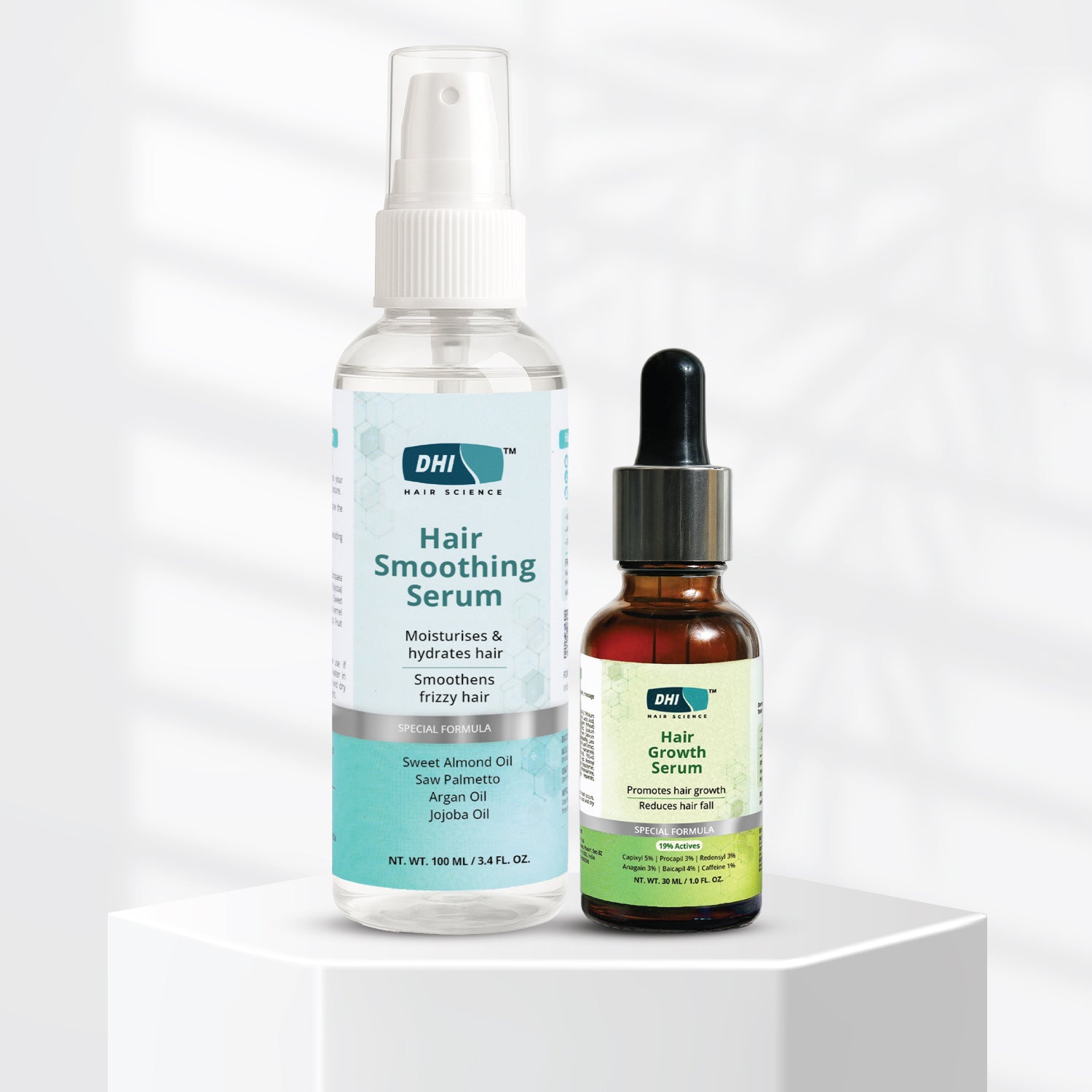

Made for stronger, healthier hair!
Beautiful hair isn’t just about styling it’s about care. With DHI™ Hair Science serums, you get both.




















Pure Care, Nothing Else!


DHI™ Medical Group has been a global pioneer of hair restoration technologies for more than 5 decades. Headquartered in Europe and present across 45 countries, DHI™ Medical Group is known for the Gold Standard DHI technique™ of hair transplants.
DHI™ Hair Science brings together the goodness of clinical active ingredients like Capixyl, Redensyl, and Procapil on one hand and the best that Mother Nature offers, like rosemary extract, moringa, saw palmetto, and hibiscus, to take care of your hair.
All our formulations are carefully developed by scientists and doctors, keeping in mind the latest developments and using the finest quality traceable ingredients sourced from the best. All products are manufactured at ISO 9001 and GMP certified facilities after careful testing for toxicity and dermatological testing, with no animal cruelty, and they are all free from parabens and sulphates that can harm the hair. We are committed to solutions that informed consumers can trust, focusing on transparency and performance, backed by rigorous scientific research and real-world results.
Blog posts

Best Shampoo for Dry Scalp: What to Look for in a Nourishing Shampoo
Dry scalp can leave your hair feeling rough, dull and difficult to manage. Choosing the right shampoo can make an important difference to your everyday hair-care routine. But what should you actually look for when choosing the best shampoo for dry scalp? A dry scalp generally benefits from gentle cleansing and moisture-focused hair care rather than an overly harsh cleansing routine. This makes a nourishing shampoo a useful option for people who want to cleanse their hair while supporting scalp comfort. DHI® Daily Nourishing Shampoo is formulated with ingredients including Vitamin B3, Vitamin B5, Aloe Vera, Green Coffee Extract, Shea Butter, Shikakai, Reetha and conditioning ingredients to support daily hair and scalp care. What Causes a Dry Scalp? A dry scalp happens when the scalp does not retain enough moisture. Environmental factors, weather changes, hot water, frequent washing and unsuitable hair-care products can contribute to a dry-feeling scalp. Dry scalp can sometimes be confused with dandruff because both can involve visible flakes. However, they are not necessarily the same concern. This distinction matters when selecting a shampoo. If your main concern is dryness, a nourishing and gentle shampoo may be more appropriate than automatically reaching for a dandruff-control shampoo. If you have persistent dandruff, significant itching or other scalp symptoms, a dermatologist can help determine the underlying cause. How to Choose the Best Shampoo for Dry Scalp? When searching for the best shampoo for dry scalp, look beyond the word "moisturising" on the bottle. Here are some things to consider: 1. Look for Nourishing Ingredients: Ingredients such as Aloe Vera, Shea Butter, Panthenol (Vitamin B5), Niacinamide (Vitamin B3), PCA Glyceryl Oleate and Saccharide Isomerate can help support hydration, softness and more manageable hair. Vitamin B3 & B5 (Niacinamide & Panthenol) – Help support healthier-looking hair and improve hair texture. PCA Glyceryl Oleate – Helps retain moisture and prevent dryness. Aloe Vera Leaf Pulp – Helps provide hydration and soothe the scalp. Shea Butter – Helps nourish and soften dry hair. Green Coffee Extract – Provides antioxidant support for scalp health. 2. Choose Gentle Daily Cleansing: If you wash your hair frequently, a shampoo formulated with mild cleansing agents can be a practical addition to your routine. Ingredients such as Sodium Lauroyl Sarcosinate, Cocamidopropyl Betaine, Decyl Glucoside and Sodium Cocoyl Isethionate offer gentle cleansing without making the routine unnecessarily harsh on your scalp. 3. Consider Your Hair Lengths Too: Dryness may not be limited to the scalp. Your hair lengths can also become rough, frizzy or difficult to manage. Conditioning ingredients such as Polyquaterniums, Panthenol and Shea Butter can help support softer, smoother and more manageable hair as part of a broader hair-care routine. 4. Avoid Over washing: Washing your hair more frequently does not necessarily mean better scalp care. Your ideal washing frequency depends on your hair type, scalp condition and lifestyle. A gentle, nourishing shampoo can help make regular cleansing more comfortable when frequent washing is part of your routine. DHI® Daily Nourishing Shampoo for Dry Scalp If you're looking for the best nourishing shampoo for dry scalp, DHI® Daily Nourishing Shampoo is designed for daily hair and scalp care. Its formulation combines moisturising, conditioning and nourishing ingredients to support the hair while cleansing the scalp. Key Ingredients in DHI® Daily Nourishing Shampoo 1. Vitamin B3 Vitamin B3, also known as Niacinamide, is widely used in skincare and hair-care formulations. It forms part of the nourishing approach of DHI® Daily Nourishing Shampoo. 2. Vitamin B5 Vitamin B5 is commonly used in hair-care products for its conditioning properties. It can help hair feel softer and easier to manage as part of a regular hair-care routine. 3. Aloe Vera Aloe Vera is well known for its soothing and moisturising properties and is commonly used in products designed for dry or sensitive-feeling skin and scalp care. In DHI® Daily Nourishing Shampoo, Aloe Vera contributes to the formula's overall nourishing approach. 4. Shea Butter Shea Butter is a rich emollient commonly used in moisturising and conditioning products. It helps support softer-feeling hair and complements the other nourishing ingredients in the formula. 5. Green Coffee Extract Green Coffee Extract is included as part of the shampoo's broader hair and scalp-care formulation. 6. Shikakai and Reetha Shikakai and Reetha have traditionally been used in Indian hair-care routines. They are included in the formula as cleansing and hair-care ingredients. Why Choose a Nourishing Shampoo for Dry Scalp? If your scalp and hair tend to feel dry after washing, choosing a nourishing formula can help make your cleansing routine more comfortable. A nourishing shampoo for dry scalp can be particularly useful if you experience: A dry or tight-feeling scalp Rough-feeling hair Dry hair lengths Frizz and lack of manageability Hair that feels dry after washing A need for a daily cleansing option However, everyone's scalp is different. What works for one person may not work for another, so it is important to pay attention to how your scalp and hair respond to a product. How to Use DHI® Daily Nourishing Shampoo? Using your shampoo correctly can make your hair-washing routine more effective. Step 1: Wet Your Hair Thoroughly wet your scalp and hair with water. Step 2: Apply the Shampoo Take an appropriate amount of DHI® Daily Nourishing Shampoo and apply it to the scalp and hair. Step 3: Massage Gently Massage the scalp gently using your fingertips. Avoid aggressively scratching the scalp with your nails. Step 4: Rinse Thoroughly Rinse your hair and scalp thoroughly with water. Step 5: Follow with Hair Care If your hair lengths are particularly dry or prone to frizz, follow with a suitable conditioner, mask or other nourishing hair-care product. Best Shampoo for Dry and Itchy Scalp: Is Nourishment Enough? If your scalp feels dry and mildly uncomfortable, improving your cleansing and moisturising routine may help. However, persistent or intense itching should not simply be assumed to be caused by dryness. An itchy scalp can have several possible causes. If the itching continues, becomes severe or is accompanied by redness, inflammation, sores or significant scaling, professional evaluation may be appropriate. The goal should be to understand your scalp rather than continuously adding products to your routine. Best Hair Products for Dry Scalp: Keep Your Routine Simple Finding the best hair products for dry scalp doesn't mean using multiple products every day. A simple routine can be more practical: Cleanse: Use a shampoo suited to your scalp's needs. Condition: Apply conditioner to the lengths and ends if your hair feels dry. Nourish: Use a hair mask or nourishing treatment when your hair needs additional conditioning. Protect: Minimise excessive heat styling and use appropriate heat protection when styling. Observe: Pay attention to how your scalp and hair respond to the products you use. The objective is to maintain a comfortable scalp and manageable, healthy-looking hair without unnecessarily complicating your routine. Shop DHI® Daily Nourishing Shampoo Give your daily hair-care routine a nourishing upgrade with DHI® Daily Nourishing Shampoo. Shop DHI® Daily Nourishing Shampoo: https://shop.dhiindia.com/products/dhi-daily-nourishing-shampoo-200-ml Frequently Asked Questions (FAQ's) 1. What is the best shampoo for dry scalp? The best shampoo for dry scalp depends on your individual scalp and hair needs. A gentle, nourishing shampoo can be a suitable option when dryness is the primary concern. DHI® Daily Nourishing Shampoo is formulated with moisturising and conditioning ingredients for daily hair and scalp care. 2. Is a nourishing shampoo good for dry scalp? A nourishing shampoo can be a useful choice for a dry-feeling scalp because it combines cleansing with ingredients focused on moisture and conditioning. However, persistent scalp symptoms may require professional evaluation. 3. What is the difference between dry scalp and dandruff? Dry scalp is primarily associated with reduced moisture, while dandruff is a separate scalp condition associated with flaking. Because the two can look similar, identifying the cause of the flakes is important before choosing a product. 4. Can I use DHI® Daily Nourishing Shampoo every day? DHI® Daily Nourishing Shampoo is designed for daily hair and scalp care. However, how frequently you wash your hair should depend on your individual scalp, hair type and lifestyle. 5. Is DHI® Daily Nourishing Shampoo suitable for dry hair? The formula contains several nourishing and conditioning ingredients, including Aloe Vera, Shea Butter, Vitamin B5 and PCA Glyceryl Oleate, making it suitable for people looking for a more nourishing hair-care routine.
Read More
Should You Use Minoxidil After a Hair Transplant? A Complete Guide
A hair transplant can restore hair in areas affected by hair loss, but maintaining the health of your existing hair is equally important. This is where treatments such as minoxidil may play a role. Minoxidil and hair transplants can be used together in many cases. However, the timing and suitability should always be determined by your doctor based on your scalp condition, healing process and individual hair-loss pattern. Minoxidil and Hair Transplants: Can They Be Used Together? Minoxidil is a topical medication commonly used to manage certain types of hair loss. It works by supporting the hair growth cycle and may help maintain or improve the appearance of existing, thinning hair. A hair transplant involves moving hair follicles from a donor area to areas affected by hair loss. The transplanted follicles are intended to continue growing hair in their new location.However, minoxidil does not replace a hair transplant, and a hair transplant does not necessarily eliminate the need to manage ongoing hair loss. Benefits of Combining Minoxidil with Hair Transplants 1. Supports Existing Hair: Hair loss can continue to affect natural, non-transplanted follicles even after a successful transplant. Minoxidil may help support these existing hairs in suitable patients. 2. Complements the Transplant Procedure: A transplant focuses on restoring hair in specific areas. Minoxidil may complement the procedure by supporting surrounding native hair, helping maintain a more consistent overall appearance. 3. Supports Long-Term Hair Management: Hair transplantation restores hair in selected areas, but the underlying tendency toward hair loss may remain. Depending on your diagnosis, your doctor may recommend medical treatments such as minoxidil to help manage ongoing thinning. Can Be Paired with Minoxiboost ? For people using topical minoxidil, DHI Hair Science Minoxiboost Hair Enzyme Accelerator Solution is designed to be used alongside minoxidil. It is formulated to support follicular sulfotransferase enzyme activity, which is involved in the conversion of minoxidil to its active form. According to the product instructions, Minoxiboost should be applied to the base of the hair before minoxidil, with at least 10 minutes allowed for activation before applying minoxidil. This may be particularly relevant for people who have a limited response to topical minoxidil. However, individual responses can vary, and Minoxiboost should be used according to the product instructions and your doctor's advice. Explore DHI Hair Science MinoxiboostMinoxiboost Hair Enzyme Accelerator Solution – DHI Hair Science When to Use Minoxidil After a Hair Transplant One of the most common questions patients have is when to use minoxidil after a hair transplant. Immediately after transplantation, the scalp needs time to heal. Applying products too soon may irritate the recipient area or interfere with the healing process. Therefore, patients should not restart minoxidil or introduce products such as Minoxiboost without instructions from their treating doctor. If Minoxiboost is recommended, its product instructions specify applying it to the base of the hair and allowing at least 10 minutes for activation before applying minoxidil. The appropriate timing can vary depending on: Your individual healing process The condition of your scalp The transplant technique used The extent of the procedure Any redness, irritation or sensitivity Your doctor's post-operative protocol Side Effects and Precautions While minoxidil is commonly used for hair loss, it can cause side effects in some people. Potential topical side effects may include: Scalp dryness Itching Redness Irritation Flaking Some people may also experience temporary increased shedding when starting or restarting treatment. This can occur as part of changes in the hair growth cycle. However, persistent or concerning symptoms should be discussed with a doctor. Frequently Asked Questions (FAQs) 1. Can I use minoxidil after a hair transplant? Yes, minoxidil may be recommended for some hair-transplant patients. However, it should generally be restarted only when your doctor confirms that your scalp has healed sufficiently. 2. Does minoxidil improve transplanted hair? Minoxidil is primarily used to support hair growth and existing thinning hair. Whether it provides a benefit to transplanted follicles varies between individuals, so it should not be considered essential for every transplant patient. 3. How long after a hair transplant can I use minoxidil? There is no single timeline that applies to everyone. Your doctor will determine when it is appropriate based on your healing and the condition of your scalp. 4. Can Minoxiboost be used with minoxidil? Minoxiboost is specifically designed to be used alongside topical minoxidil. According to its product instructions, it is applied before minoxidil and requires at least 10 minutes of activation. Follow the product instructions and your doctor's advice. 5. Should I stop minoxidil before a hair transplant? If you currently use minoxidil, tell your hair-transplant doctor. They will advise you whether you need to pause it before the procedure and when to resume it afterward. 6. Can minoxidil prevent future hair loss after a transplant? Minoxidil may help manage ongoing thinning in suitable patients, particularly in non-transplanted hair. However, it cannot guarantee that future hair loss will stop. Conclusion: A hair transplant and minoxidil can be complementary treatments for some people dealing with hair loss. While a transplant can restore hair to areas affected by significant thinning or baldness, minoxidil may help support existing hair and form part of a broader hair-loss management plan. For people using topical minoxidil, products such as DHI Hair Science Minoxiboost may be incorporated into a doctor-recommended hair-care or hair-loss routine. Minoxiboost is designed to work alongside minoxidil and is applied before it according to the product instructions. For more products, you can visit our DHI Hair Care e-commerce store.
Read More
Hair Growth Supplements: Do They Really Work?
Seeing more hair on your pillow, in your shower drain or on your comb can be worrying. And when hair fall starts, one of the first things many people look for is a hair growth supplement. Biotin gummies. Hair vitamins. Multivitamin capsules. There are plenty of options promising stronger, thicker and healthier-looking hair. But do they actually work? The truth is a little more nuanced. Your hair needs the right nutrients to grow and stay healthy, but taking more vitamins doesn't automatically mean more hair. What matters is getting the right nutritional support for your individual needs. So, before you buy the first bottle labelled "best hair growth supplement", here's what you should know. Why Does Nutrition Matter for Hair? Hair follicles are among the most active structures in the body, which means they need adequate nutrition to support normal hair growth. Nutrients such as biotin, other vitamins, minerals and amino acids play different roles in maintaining healthy hair. When your diet doesn't provide enough of certain nutrients, your hair may be affected. But this doesn't mean every case of hair fall is caused by a vitamin deficiency. Hair loss can also be linked to genetics, hormones, stress, lifestyle and other factors. That's why supplements should be viewed as one part of a complete hair-care routine, rather than a magic solution. So, Do Hair Growth Supplements Really Work? They can support healthy hair, particularly when your diet isn't providing enough of the nutrients your body needs. The important thing is choosing a well-formulated supplement and using it consistently. And don't fall for the idea that the more ingredients a product contains, the better it is. A good hair supplement should provide a considered combination of nutrients that support overall hair health. That's where DHI Hair Care Multivitamin Capsules come in. Meet DHI Hair Care Multivitamin Capsules DHI Hair Care Multivitamin Capsules are formulated with a combination of Biotin, Amino Acids and Ayurvedic herbs, along with vitamins and botanical ingredients. The formulation includes: Vitamin B7 (Biotin) Vitamin C Vitamin B3 Vitamin A Amino acids Sea Buckthorn Rosemary Ayurvedic herbs DHI combines multiple nutritional and botanical ingredients to provide support for healthier, stronger-looking hair. Why Biotin Is So Popular for Hair If you've ever searched for vitamins for hair growth, you've probably come across biotin. Also known as Vitamin B7, biotin is one of the most popular ingredients in hair supplements. But here's the important part: more biotin doesn't automatically mean more hair growth. Biotin is essential for normal body functions, but taking more than you need doesn't necessarily lead to thicker or faster-growing hair - particularly if you aren't deficient. That's why a broader formulation can make more sense than relying on one ingredient alone. What Makes DHI Multivitamin Capsules Different? 1. A Combination of Key Nutrients DHI combines vitamins, biotin and amino acids with botanical ingredients such as Sea Buckthorn and Rosemary. 2. Nutritional Support From Within Your hair-care routine doesn't have to stop at what you apply to your scalp. Nutritional support can complement your external hair-care routine. 3. Designed for Everyday Hair Care Healthy-looking hair is a long-term goal. DHI Multivitamin Capsules can be incorporated into a consistent hair-care routine alongside appropriate external hair-care products. Who Can Consider Hair Growth Supplements? A hair growth supplement may be worth considering if you're looking to support your nutritional intake as part of your hair-care routine. You may be particularly interested if you're experiencing: Increased hair shedding Hair that feels weak or brittle Thinning or reduced hair density Concerns about overall hair health An inadequate or unbalanced diet However, if your hair loss is sudden, severe or persistent, don't assume that a supplement is the answer. Finding the reason behind your hair loss comes first. How to Choose the Best Hair Growth Supplement? With hundreds of products available, choosing the best hair growth supplement can be confusing. Don't choose based on the biggest claims or the longest ingredient list. Instead, look at: The formulation: Does it provide a thoughtful combination of nutrients? The ingredients: Are the key vitamins and other ingredients clearly listed? The dosage: Is there a clear recommended daily intake? The brand: Is the product from a reputable brand with transparent product information? Your needs: Do you actually need nutritional supplementation? A supplement should complement your hair-care routine, not replace good nutrition or professional advice. How to Take Hair Care Multivitamin Capsules It's simple: Take 2 capsules daily after a meal. Consistency matters when you're building any long-term hair-care routine. Follow the recommended dosage and don't take more simply because you want faster results. Can Hair Vitamins Stop Hair Fall? Not all hair fall has the same cause. If nutritional factors are contributing to your hair concerns, improving your nutritional intake may help support healthier hair. But if your hair loss is primarily related to genetics, hormones or another underlying condition, taking hair vitamins alone may not solve the problem. That's why persistent hair loss deserves more than just a supplement. How Long Does It Take to See Results? Hair doesn't change overnight. Your hair follows a natural growth cycle, so give your routine time rather than expecting visible changes in a few days. Consistency, a balanced diet and an overall approach to hair care are more important than looking for an instant fix. The Bottom Line So, do hair growth supplements really work? They can be a useful part of your hair-care routine, particularly when you're looking to support your nutritional needs. But they're not magic pills and they're definitely not a replacement for understanding why you're losing hair. DHI Hair Care Multivitamin Capsules bring together biotin, vitamins, amino acids and Ayurvedic herbs in one convenient daily supplement designed to support healthier, stronger-looking hair. Because healthy hair isn't just about what you put on it. It's also about giving your body the nutritional support it needs. Frequently Asked Questions 1. What are the best hair growth supplements? There isn't one supplement that is best for everyone. Look for a well-formulated product containing relevant vitamins, nutrients and other ingredients suited to your needs. 2. Is biotin good for hair growth? Biotin is an important nutrient and is commonly found in hair vitamins. However, taking excessive amounts doesn't necessarily result in additional hair growth. 3. How many DHI Multivitamin Capsules should I take? DHI recommends taking 2 capsules daily after a meal. 4. Can women take hair growth supplements? Yes. Hair supplements can be used by both men and women, provided the formulation is appropriate for their individual nutritional needs. 5. Can hair supplements replace a healthy diet? No. Supplements should complement a balanced diet, not replace it. 6. Can supplements completely stop hair loss? No. Hair loss can have many causes. Supplements may provide nutritional support but should not be considered a universal treatment for hair loss. 7. How long should I take hair vitamins? Hair growth is gradual. Follow the product's recommended usage consistently and give your hair-care routine time rather than expecting overnight results.
Read More